1 earthquakes recorded in Costa Rica regional monitoring zone
Real-Time Earthquakes in Costa Rica
Continuous seismic tracking along the Cocos-Caribbean subduction zone and Central America Volcanic Arc.
Recent Earthquakes in Costa Rica
LIVELive telemetry feed and seismic report for earthquakes in Costa Rica.
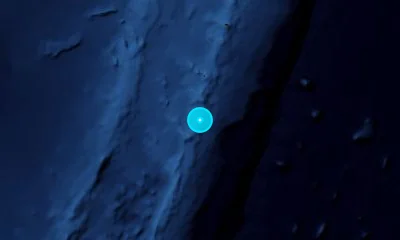
Active Fault Systems & Tectonic Setting
Geodynamic boundaries, subduction dynamics, and crustal deformation zones.
Costa Rica is situated along the active convergent margin where the oceanic Cocos Plate subducts beneath the Caribbean Plate and Panama Microplate at the Middle America Trench. This active tectonic boundary, combined with shallow crustal fault systems and the Central America Volcanic Arc, produces high seismic activity monitored in real time by OVSICORI-UNA and RSN.
Middle America Trench (Nicoya-Osa Segment)
Subduction MegathrustFast-converging subduction interface capable of recurring M7.5+ megathrust events.
Aguacaliente Fault System
Sinistral Strike-SlipActive crustal fault running through the central valley near Cartago and San José.
Cocos Ridge Collision Zone
Aseismic Ridge SubductionSubduction of the thick Cocos Ridge beneath southern Costa Rica producing intense crustal uplift.
Landmark & Historical Earthquakes
Significant seismic benchmarks, cataloged magnitudes, and geological impacts.
Nicoya Peninsula, Guanacaste
September 5, 2012Anticipated megathrust rupture on the locked plate interface; modern building codes prevented catastrophic collapse.
Limón / Telire, Caribbean Coast
April 22, 1991Backarc thrust event that uplifted the Caribbean coastline by up to 1.5 meters and caused heavy liquefaction.
Cartago, Central Valley
May 4, 1910Shallow rupture on the Aguacaliente Fault that leveled the historic colonial capital of Cartago.
Frequently Asked Questions
Common questions about seismic activity, safety, and monitoring in Costa Rica.
Why does Costa Rica have such frequent earthquake activity?▾
The oceanic Cocos Plate subducts beneath Costa Rica at 80–90 mm per year, among the fastest tectonic convergence rates in the world, generating frequent megathrust and crustal fault tremors.
What was the Nicoya seismic gap prediction in Costa Rica?▾
Scientists from OVSICORI and international universities monitored accumulated strain on the Nicoya Peninsula for decades, successfully forecasting the location and magnitude of the 2012 M7.6 earthquake.
Can earthquakes trigger volcanic eruptions in Costa Rica?▾
Major subduction earthquakes can alter stress fields beneath Costa Rica's active volcanic arc (e.g. Poás, Turrialba, Arenal), occasionally increasing hydrothermal activity or gas emissions.